Who can make your agent stop remembering something?
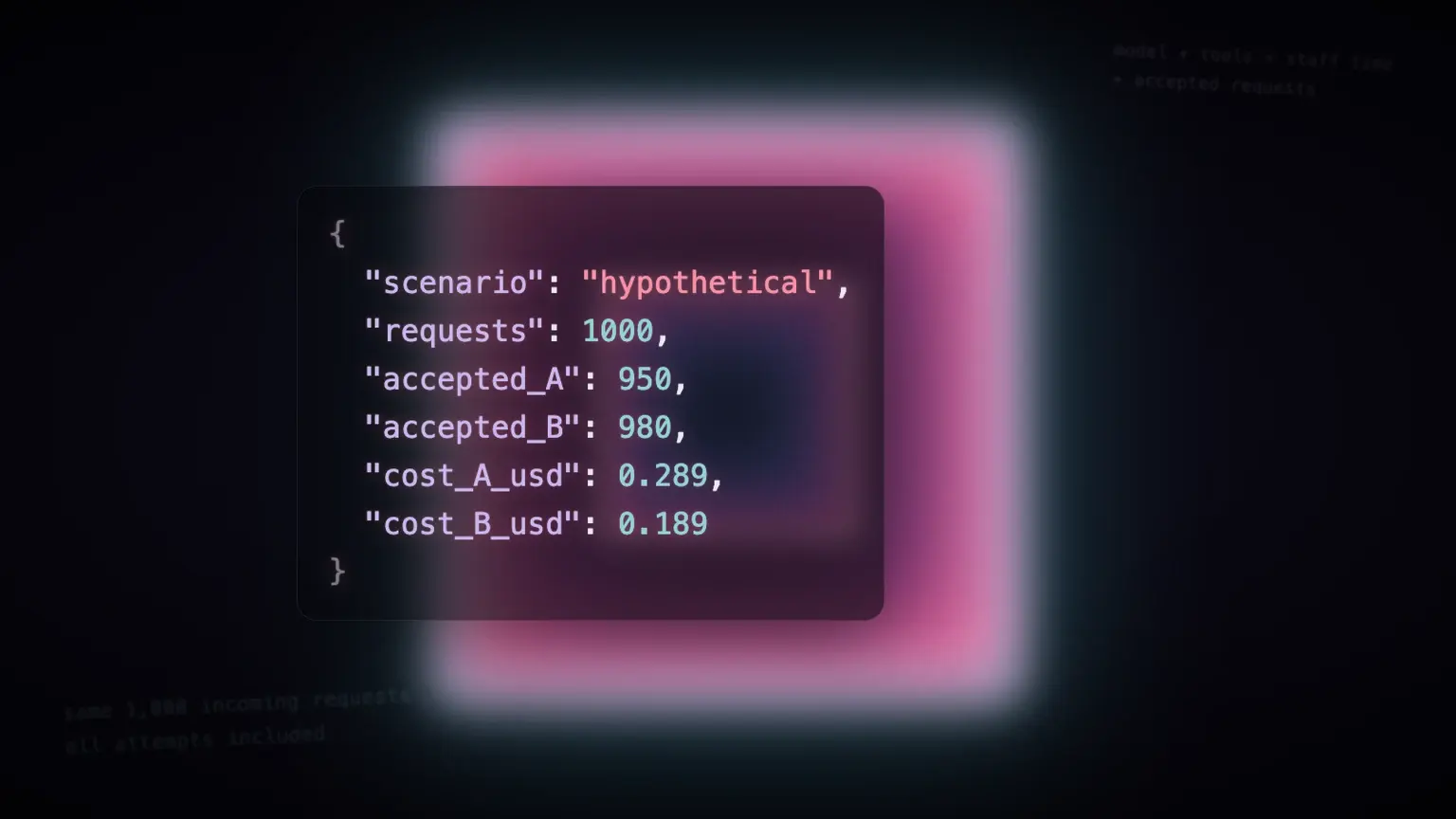
AWS documents a detail every buyer of agent memory should notice: deleting a conversation event does not remove the structured information derived from it. The original and the remembered conclusion have separate lives. AWS documentation
Our view is straightforward: a business memory system needs an accountable way to correct information and stop using it. That capability belongs in the first release, alongside the ability to remember.

AI agent memory governance means deciding who controls retained information, what it may influence and what happens when its authority changes. The useful question is whether an employee can get a bad remembered claim out of circulation.
Here are the operating decisions behind that question, why a delete button alone is insufficient and what evidence to request before expanding a memory-enabled workflow. This is an engineering opinion, grounded in documented product behavior.
Why can deleting the conversation leave the memory behind?
An application may preserve a conversation, produce a summary and extract a customer preference. Those are different records serving different purposes. A request to remove one cannot safely be assumed to remove all the others. The application needs an explicit account of what its deletion controls cover.
Amazon Bedrock AgentCore provides a concrete example. Its event-deletion documentation separates removing an event from removing information already extracted into long-term memory. A separate memory-record operation removes individual retained records. This is a product boundary to understand, rather than a claim that the product is broken.
For a business, the consequence is practical. An employee can remove a conversation from the visible interface and still need another process to retire a conclusion drawn from it. That process should be designed and tested by the engineering team, with its scope visible to the person requesting the change.
Illustrative application design. Removing one form does not establish that every other form was removed.
Start with an inventory of the places your application creates and reuses these forms. Include material sent to another connected system. The goal is a credible scope statement: what the team can correct now, what needs a separate action and what remains outside that control.
Keep this inventory proportionate. A small assistant may have only a few places to check. A workflow that prepares messages, stores summaries and shares customer context across teams has more. The complexity comes from the actual information flow, not from the number of memory products in the purchase order.
What should happen when a remembered claim is wrong?
Consider a hypothetical account manager who tells an assistant that a supplier can approve expedited shipping. The assistant retains that statement. Later, operations discovers that it applied to one order only. The issue is not just an incorrect sentence: the retained claim could affect the next proposed delivery date.
We would expect the reviewer to be able to suspend that claim, inspect the supporting exchange and record the narrower interpretation. Where the original evidence is ambiguous, the assistant should ask for confirmation. It should not convert a dispute into a confident new rule simply because the correction is newer.
Then examine work already in progress. A prepared customer reply may still contain the old assumption even after the memory record changes. The responsible employee needs a view of affected drafts and pending decisions. A successful correction should change the next relevant behavior, not merely the label on a record.
Recommended operating sequence. The business defines who may make each decision.
This example is a design recommendation, not a report of a customer incident. Its point is the handoff between memory administration and the people delivering the work. The correction owner must be able to reach those people without waiting for a developer to reconstruct every conversation.
Which six responsibilities need an owner?
These six responsibilities turn a vague promise of control into something an operations leader can review. They are acceptance criteria for the application, rather than a prescription for a particular database or model.
1. Define what the correction applies to
A customer preference, an inferred classification and an approval are not interchangeable. Specify which claim is disputed, whose information it concerns and which business activity it can influence. A change to one account must not silently rewrite a rule shared by every account.
Ask the reviewer to distinguish a factual correction from a temporary exception. “Use this address for this order” should not necessarily replace the normal delivery address. Preserving that scope prevents a helpful intervention from creating the next error.
2. Give someone authority to suspend reuse
The person who notices a problem should have a clear escalation route. A designated owner needs the ability to stop the relevant claim influencing new work while it is investigated. That does not require giving every employee unrestricted access to everyone else’s history.
Decide what the assistant does while the matter is unresolved. It might ask an employee, use the current authoritative record or leave a draft unfinished. The acceptable fallback depends on the consequence of a wrong answer. Continuing normally with a small warning buried in an admin screen is a weak default.
3. Track the reach of a correction
The engineering team should show which retained forms and connected destinations can be affected. A summary, a search result and a queued reply can require different handling. The operator should see completion or an unresolved exception, rather than an unconditional success message.
Include delayed work in the acceptance review. A background process that resumes later should not restore an obsolete conclusion from an old input. Ask the team to demonstrate that case with synthetic records. This tests the correction across time, without exposing private customer information in a demo.
4. Separate expiry from immediate removal
AWS documents that expired AgentCore long-term records can remain readable while background deletion completes, typically over a few days. It directs users to explicit deletion when immediate removal is needed. A retention timer and an immediate removal request therefore have different operating meanings.
Decide what your application promises in each case. An age-based cleanup policy may suit routine housekeeping. A disputed fact that must stop influencing a decision needs a separate response. Confirm the actual product behavior rather than assuming the word “expired” means every read path has stopped returning it.
5. Keep correction evidence under its own controls
An operations team needs enough evidence to know what changed, who authorized it and which exceptions remain. That does not justify copying the full disputed content into a second, broadly accessible log. The record of a correction has a purpose and an access boundary of its own.
Agree retention and access with the people responsible for those policies. An operational stop-use decision, a factual correction and a formal deletion request may require different handling. The application should represent those differences accurately, and it should not claim that one button proves compliance with every obligation.
6. Recheck after ordinary system changes
A new summary process, another connected application or a different retrieval method can create another place where information persists. Include the correction path in the review of that change. Otherwise the business can gain a new memory capability while losing the ability to control what it already retains.
Keep a small set of representative correction cases available for repeated review. Include a narrow exception, a mistaken identity association, an access change and work that was paused before the correction. Measure whether the intended behavior changes and which failures still need an owner.
What should the team demonstrate before you expand access?
Ask for a demonstration built around a change, not a perfect first answer. Supply a synthetic customer record, let the assistant use a permitted preference, then correct it. Continue the existing conversation and start another one. The next relevant response should respect the correction in both contexts.
Repeat the exercise with an employee whose access changed. This is a test of the application’s current permissions, not a request for the model to remember who is allowed to see what. Keep the detailed authorization design with the engineering team and require an observable result from the business workflow.
Ask what happens if part of the correction fails. The useful answer identifies the pending destination, the responsible person and the interim restriction. A dashboard that shows only how many records were processed does not tell an account manager whether it is safe to send the prepared message.
A separate recovery review should cover restoring older application data. The team needs to explain how resolved corrections remain effective after recovery, within the agreed retention and access policies. That is a scenario to validate for your system; it is not a universal claim about how every backup product behaves.
Record the demonstrated scope and the remaining limits. A small system with clear boundaries is easier to trust than a broad promise nobody has tested. Our standard is that an employee can see a correction take effect and find the owner of anything still unresolved.
Where should a business start?
Choose one consequential kind of remembered information: customer contact preferences, supplier exceptions or account-level instructions. Follow how it is created, reused and corrected. This work can begin within an existing application; it does not require replacing every tool or collecting all company information first.
The broader data foundation still matters. Our AI-ready data guide covers identity, relationships and the system responsible for each fact. This article addresses what happens after an application has retained a claim and someone needs to challenge or retire it.
Treat inspectability and repair as part of the value you are buying. The person who operates the system should be able to resolve an ordinary correction through an understood process. Engineering remains responsible for proving that the control reaches the places it claims to reach.
Our integration and data work connects records with explicit ownership and visible failures. If an assistant keeps repeating information your team already corrected, show us the affected workflow. That is a concrete place to start.
FAQs
Does deleting a chat make an AI agent forget it?
It depends on what the application retained. AWS explicitly distinguishes event deletion from removal of derived long-term information in AgentCore Memory. Ask which records, summaries and connected destinations the deletion action covers in your own application.
Is a retention timer enough to stop using a bad fact?
Do not assume so. Product behavior and the application’s retrieval controls determine when an item stops being available. A policy for routine expiry should be distinguished from the handling of a disputed claim that must stop influencing an immediate decision.
Should employees be able to edit every memory?
No. Give people a way to report a problem and assign authority according to the information and business responsibility involved. An account-level correction should not grant access to unrelated customers or permission to change company-wide rules.
Does this mean removing all history?
No. Correcting an active claim and handling historical evidence are separate decisions. Define the purpose, retention and access for each. The operational goal is that obsolete or unauthorized information no longer drives the work, with remaining records handled under the appropriate policy.
Can the model decide what should be deleted?
It may help find candidate errors or summarize supporting evidence. The surrounding application and authorized people must control the decision and its scope. A confident model judgment is not evidence that every affected copy was found or that removal completed.
Written by the dplyz team
Senior engineers who work inside client companies to take AI from pilot to production: agentic workflows, AI integration and the platform work around them.